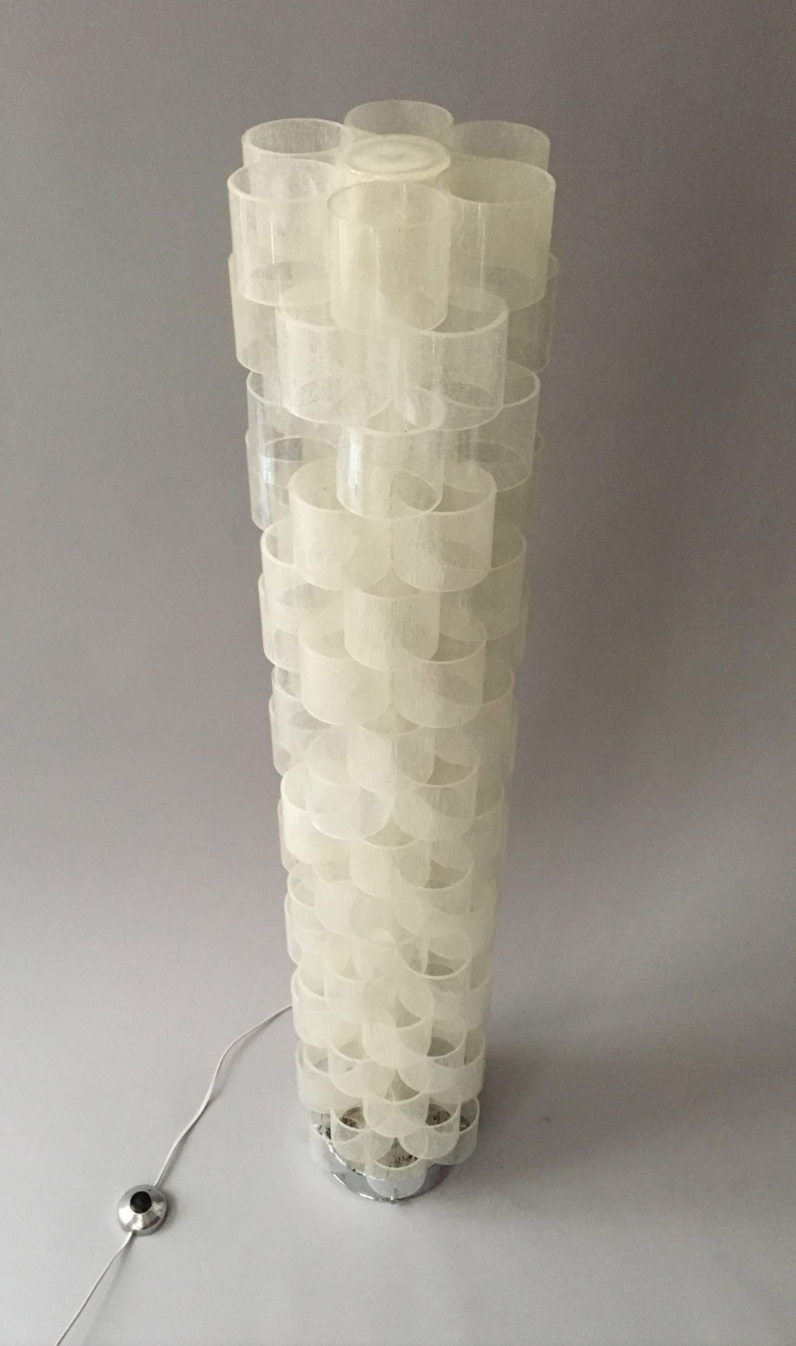
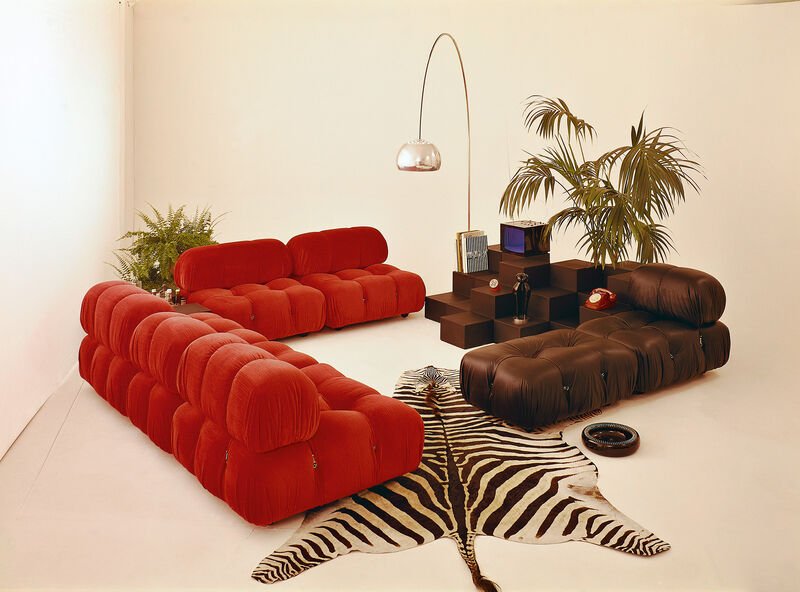
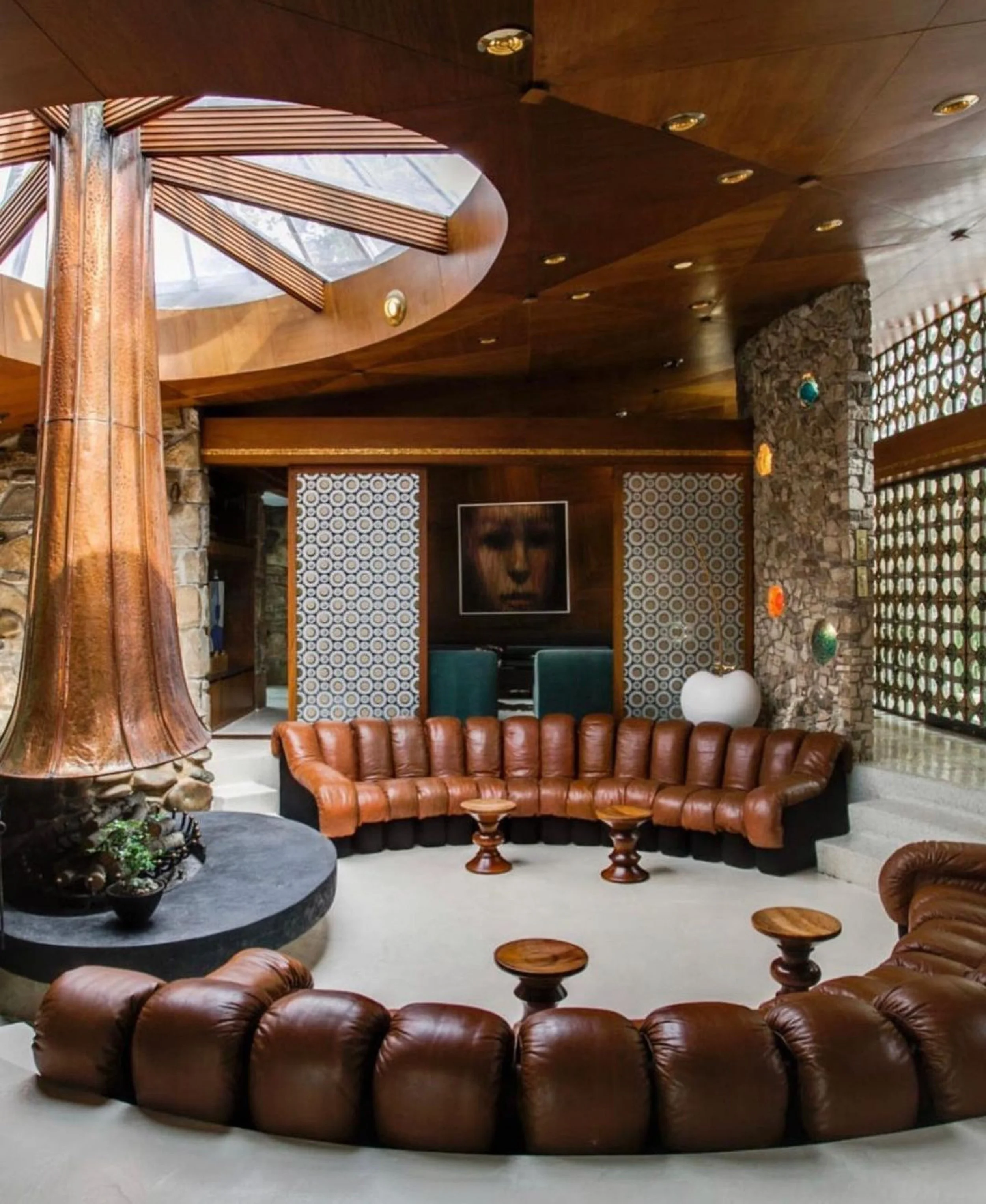
FEATURED: Floor Lamps
The Magic of Lighting in Interior Design
When it comes to interior design, lighting plays a crucial role in setting the mood and enhancing the overall ambiance of a space. Just like a well-composed symphony, the right lighting can accentuate all the right notes, bringing warmth, depth, and character to any room. Whether your style is modern, vintage, minimalist, or eclectic, mastering the art of lighting can truly transform a space into something magical.
Creating a Welcoming Entrance
The entrance to any space sets the tone for what lies inside. Lighting can be used strategically to create a warm and inviting atmosphere right from the moment you step inside. Whether it's a grand chandelier cascading down a double-height foyer or a series of subtle wall sconces lining a narrow hallway, the lighting fixtures chosen carefully can instantly make guests feel comfortable and welcomed.
Accentuating Architectural Features
Every space has its own unique architectural features that deserve to be highlighted. The strategic placement of lighting fixtures can draw attention to these elements, adding depth and intrigue to the design. Recessed lighting can be used to accentuate beams or arches, while track lighting can be directed towards artwork or sculptures, creating a gallery-like effect. By utilizing lighting in this way, the architectural beauty of a space can truly be appreciated.
Setting the Mood with Warmth
Certain areas within our homes serve specific functions that demand different lighting requirements. In a living room, for instance, soft, warm lighting can create a cozy and tranquil atmosphere, perfect for relaxation and socializing. This can be achieved through the use of table lamps, floor lamps, or even dimmer switches, allowing the homeowner to easily adjust the intensity of the light as desired.
On the other hand, in spaces like the kitchen or home office, task lighting takes center stage. Bright, focused lighting in these areas can improve functionality, making tasks such as cooking or working more efficient and comfortable. Under-cabinet lighting, pendant lights, or adjustable desk lamps are some examples of task lighting that can be used effectively in these spaces.
Incorporating Decorative Elements
Lighting fixtures can be much more than just a functional necessity. They can serve as decorative elements that contribute to the overall aesthetic appeal of a room. Statement chandeliers, for example, can become a centerpiece and conversation starter in a dining room, while unique pendant lights can add a touch of personality to a kitchen or bedroom.
When selecting
Here are some of our favorite vintage floor lamps from the 50s, 60s and 70s.
Tobia & Afra Scarpa ‘Fantasma’ Floor Lamp for Flos, 1963
'Ponte' Floor lamp by Studio A.R.D.I.T.I. for Sormani, 1970
Isamu Noguchi Akari Floor Lamp BB3-33S, designed in 1951
Olivier Mourgue ‘Fleurs’ floor lamp for Disderot, France, 1970
source
XXL ‘Clan’ Lamp by Harvey Guzzini & Studio 6g for Iguzzini, 1968
Floor Lamp by Garrault-Delord, 1971
Rare 'Vegnusca' Floor Light by Poliarte, 1974
Pair of Large ‘Camel' Floor Lamps by Josef Frank, Sweden, 1960s
LT316 Floor Lamp by Carlo Nason for Mazzega, 1960s
source
Floor Lamp model ‘D-2001’ by RAAK, The Netherlands, 1962
Rare ‘Helvetica’ Floor Lamp by Carl Moor for BAG Turgi, 1960s
Floor Lamp by Carlo Nason for Selenova, Italy, 1960
Akari 10A by Isamu Noguchi, Ozeki, 1951
Large Original Early Lamp '2049 RE' by Bobo Piccoli, Fontana Arte 1968
‘Cactus’ floor lamp Model LT 320 By Carlo Nason For Mazzega, Italy, 1960s
Hans-Agne Jakobsson 'Balloon' Floor Lamp, 1960s
Pair of Wood Tripod Floor Lamps by Hans-Agne Jakobsson for AB Ellysett, 1960s
‘Chiara’ floor lamp by Mario Bellini for Flos, 1967
source
‘Oracolo’ floor lamp by Gae Aulenti for Artemide, 1969
‘Helga’ Floor Lamp by Paolo Portoghesi & Silvio Bilangione for Fumagalli, 1967
Sculptural Table Lamp or Floor Light 'Bruco' by Giovanni Banci, 1960s, Italy
Model 1078 Floor Lamp by Vittoriano Viganò for Arteluce, 1960s
‘Tamburo’ Floor Lamp by Afra & Tobia Scarpa for Flos, 1970s
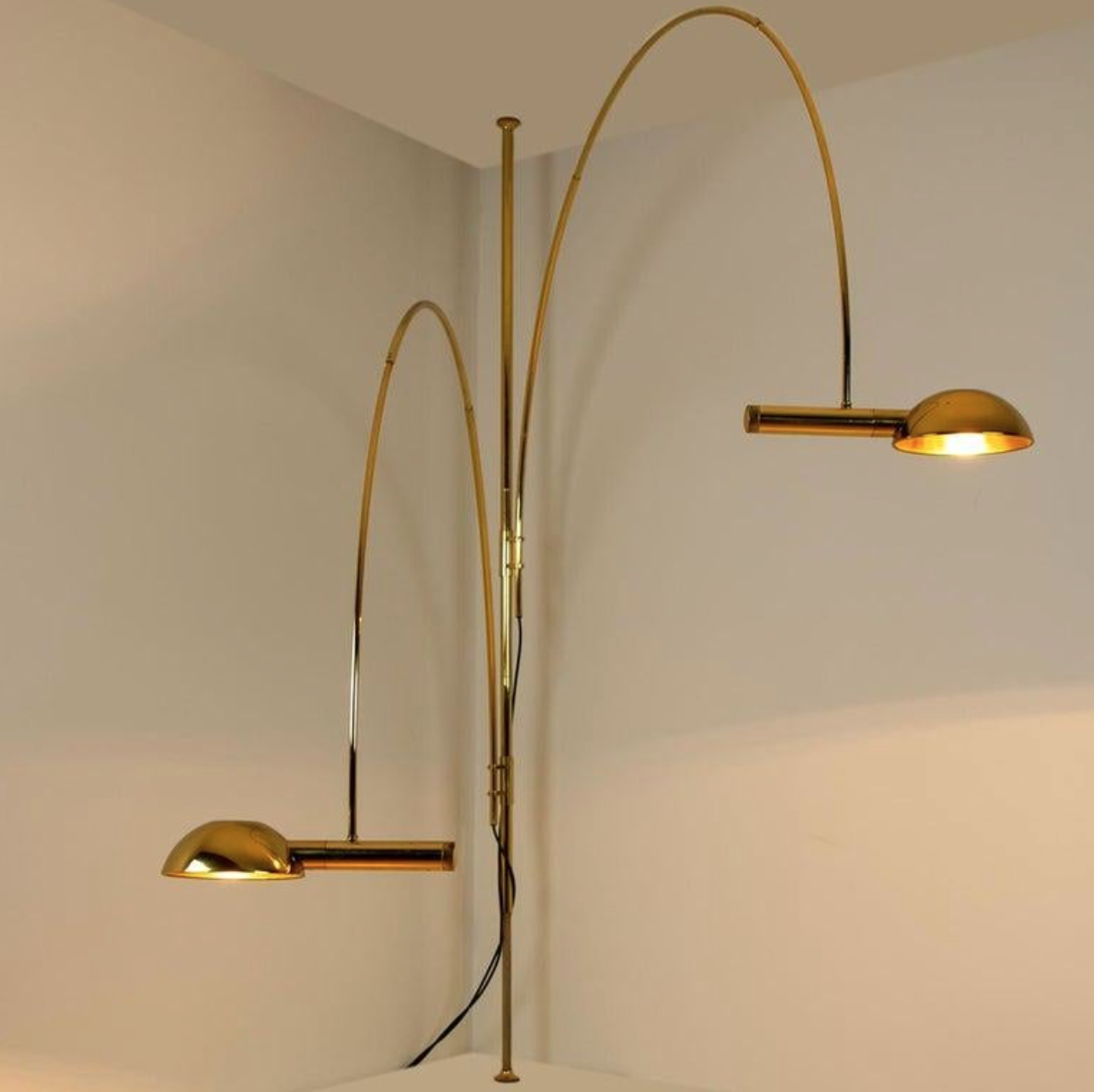
Florian Schulz Double Ball Brass Arc Floor Lamp, 1970
‘Alba’ floor lamp by Sergio Brazzoli & Ermanno Lampa for Harvey Guzzini, 1970s
Rare Sculptural 'Ritto' Floor Lamp by Leonardi & Stagi for Lumenform, 1972
‘Crylicord’ Floor Lamp by Peter Hamburger for Knoll, circa 1970
source
Bamboo Floor Lamp by Enrico Tronconi for Vistosi, 1970s
floor Lamp by Joe Colombo for Oluce, 1970s
Italian Modern Plastic Yellow Glass Floor Lamp by Annig Sarian for Kartell 1970s
9z Lamps by Cedric Hartman, 1979
‘Élysee’ floor lamps by Pierre Paulin, 1960s
Pair of J.M.F. Brass and Leather Floor Lamps by Karl Springer, 1975
‘Bul Bo’ Floor Lamp by Gabetti E Isola Milano, Italy, 1969
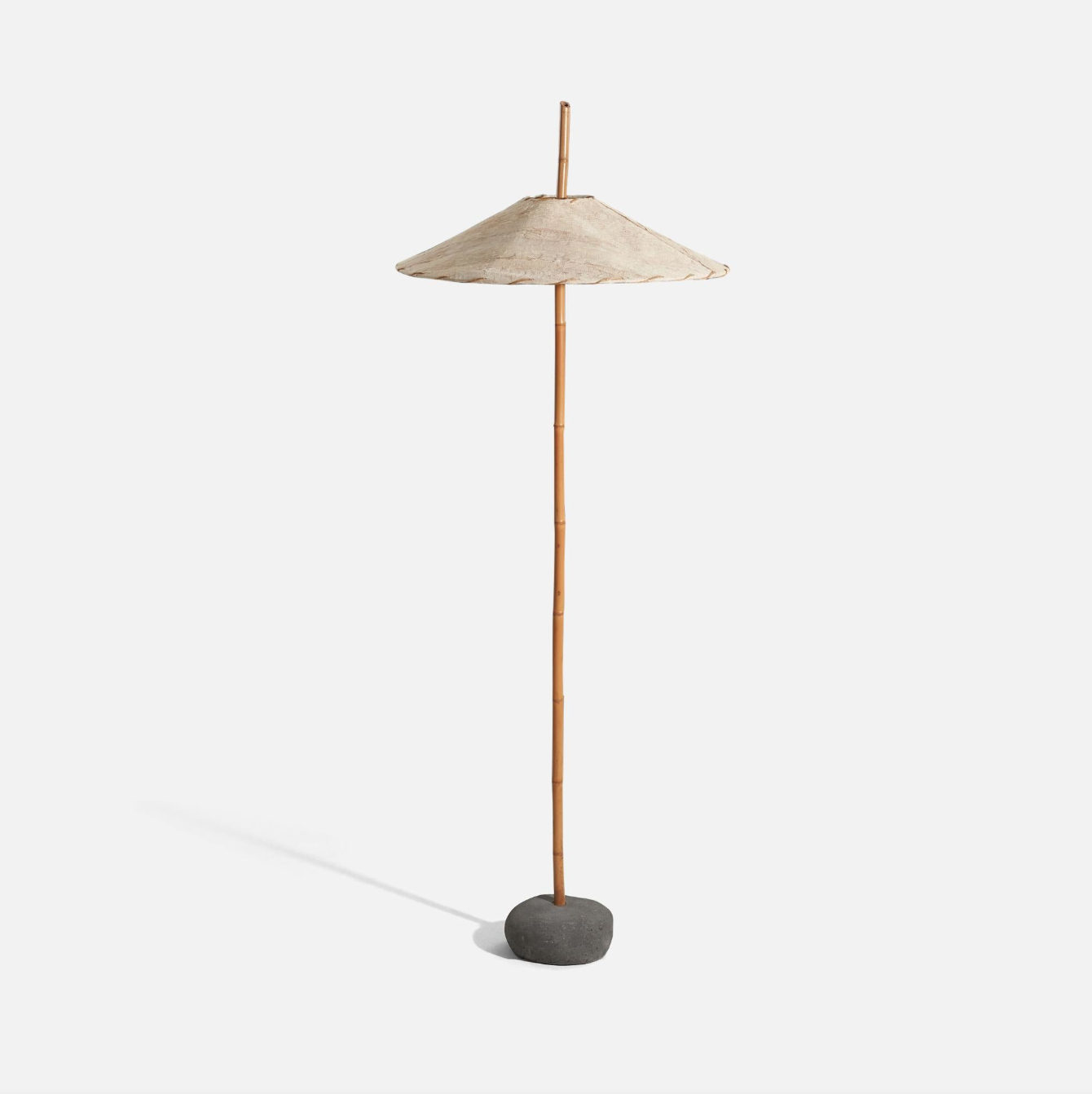
‘Safari’ Floor Lamp by Robert Sonneman, 1975
source
Mod. 1096 floor lamp by Gino Sarfatti for Arteluce, 1970s
source
Rare Poliarte Standing Light, Italy, 1968
Gae Aulenti for Poltronova 'Locus Solus' Floor Lamp, circa 1964
Paul Evans, Cityscape Floor Lamp, USA, 1970s
Floor Lamp 'Aloa', Adjustable Positions, by Claudio Salocchi, 1971
Gio Ponti Floor Lamp, 1974
Mid-Century Modern Black Brass Vintage Floor Lamp by J. T. Kalmar, Vienna, circa 1960
Antonio Pavia Set of Three Floor Lamps or Sconces Brass, Italy, circa 1970
source
Ettore Sottsass ‘Moonlight’ Floor Lamp model no. 14104, Italy 1970s
source
Mid Century Evoluon Floor Lamp by Louis Kalff for Philips, 1960s
Cocoon Floor Lamp by Flos, Italy, 1960s
Chimera Floor Lamp by Vico Magistretti for Artemide, 1980s
‘Ghost’ lamp by Shiro Kuramata for Yamagiwa, 1972
Luminator Lamp by Luciano Baldessari, Italy, 1979
Gio Ponti Rare Polsino Floor Lamp for Guzzini, circa 1967, Italy
Area 210 Floor Lamp by Mario Bellini for Artemide, 1960s
Valenti Leather Floor Lamp, 1970s Spain
source
Fontana Arte Vintage Italian Arc Floor Lamp by Max Ingrand, 1970s
Fine French Illuminated Column by Jean Perzel, 1960s
Gianfranco Frattini Floor Lights '2' Opal Glass Grid Black White, Italy, 1970
Claudio Salocchi Floor Lamp 'Riflessione' for Skipper, 1970s
Disk Floor Lamp by Aldo vvan den Nieywelaar, 1974
Lampione Floor Lamp by Fabio Lenci for Guzzini, 1970S
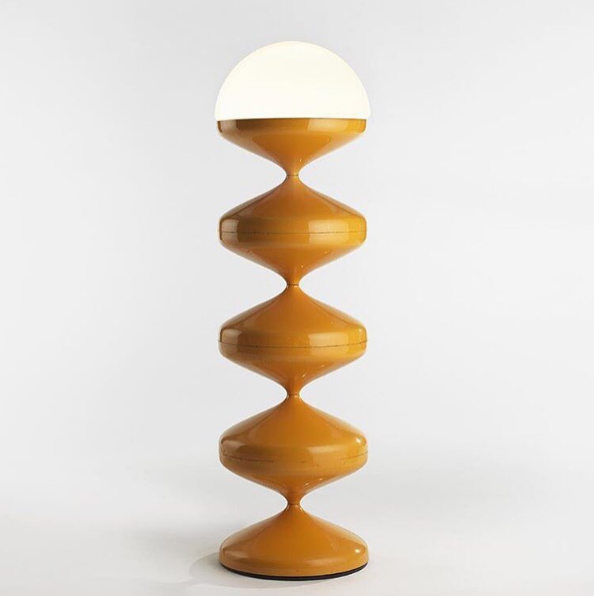
Floor Lamp by Etienne Fermigier, 1969
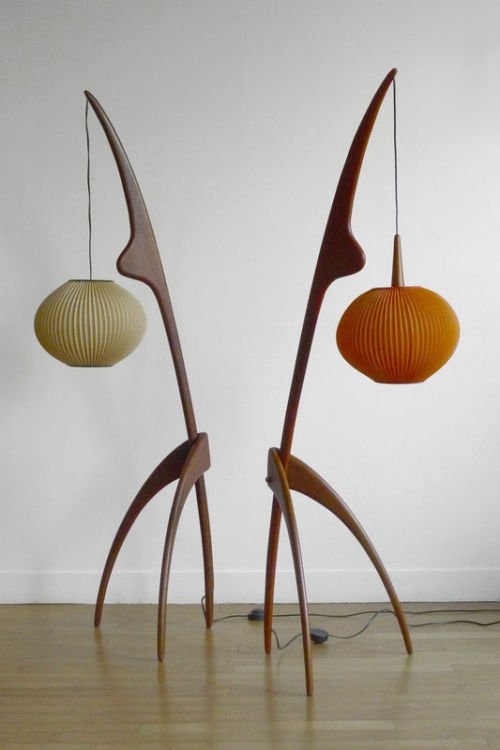
Floor lamps by Rispal, 1950s
DISCLAIMER: THE MILLIE VINTAGE DOES NOT OWN ANY RIGHTS TO THESE PHOTOS. PLEASE NOTE THAT ALL IMAGES AND COPYRIGHT BELONGS TO THE ORIGINAL OWNERS. NO COPYRIGHT INFRINGEMENT INTENDED.
MORE LIKE THIS
Whether you're a devoted connoisseur of vintage design seeking credible insights, or simply in search of stylish coffee table books filled with captivating photos, these selections are sure to impress and inspire.
The kitchen is known to be the heart of the home. Today we are seeing many designers revive retro trends from the 60s and 70s. Both eras offer unique design elements that combine functionality with personality.
The Gehry Residence in Santa Monica, California, is one of the most famous examples of architect Frank Gehry's deconstructivist style.
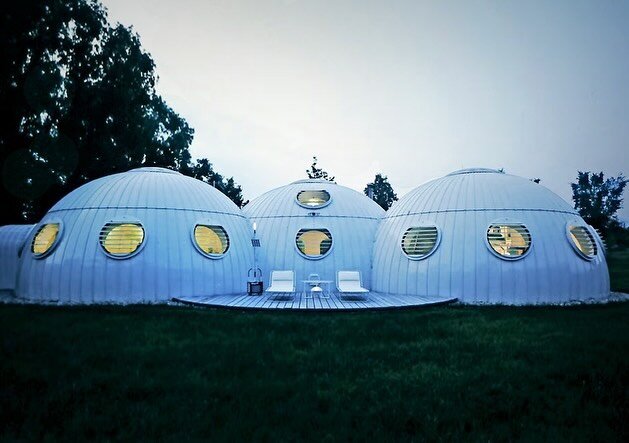
The same year the man landed on the moon, architect Maurice Medcalfe designed The Bubble House. Located at East 71st Street in the Upper East Side…
The interior design of airplanes in the 1960s and 1970s reflected the cultural trends and technological advancements of the time, often emphasizing luxury, style, and innovation. These decades were considered the "Golden Age of Air Travel”…
Italian design in the 1960s and 1970s was marked by a distinct blend of innovation and tradition, reflecting both social changes and advancements in materials and technology.
Villa Sayer in Normandy is another significant residential project designed by Marcel Breuer in the 1970s. It represents Breuer’s exploration of modernist design principles in the context of a more rural, French setting.
Ricardo Fasanello is a notable Brazilian furniture designer recognized for his unique approach that combines modern aesthetics with functionality.
Bennett himself referred to the building as a “Manhattan A-frame.” The historic Dakota was constructed between 1880 and 1884 and was added to the National Register of Historic Places in 1972.
The Château La Coste exhibition lies within the Oscar Niemeyer Auditorium. Paulin’s designs and Niemeyer’s vision create an otherworldly experience with the buildings curvaceous forms complementing Paulin’s serpentine-like storage units and organic biomorphic sofas.
In 1960, Marc Held founded Archiform, a Paris-based design firm where designers and architects could come together as a study center.
Joseph D'Urso (1937–2002) was a prominent American interior and furniture designer known for his minimalist and functional designs that emphasized simplicity and elegance.
Harry Gesner is a prominent American architect known for his innovative designs and use of unconventional materials in architecture.
Located in Dallas, Texas and situated on nearly half an acre, this architectural marvel is a sophisticated mix of vintage and modern elements that incorporate natural stone, wood, and glass.
Brutalist design is an architectural and artistic movement that emerged in the mid-20th century, characterized by its stark, rugged aesthetic and the use of raw materials.
American architect Bruce Goff is known for his out-of-this-world, eclectic, modernist homes. nearly 500 of them span across the mid-west, of which only a handful remain.
Gio Ponti was an influential Italian furniture designer, architect, and industrial designer, who was born on November 18, 1891, in Milan.
Known for its mid-century architecture, Fire Island Pines also has a unique past serving as a haven for tastemakers in the 1960s and 70s.
Wood paneling brings a sense of nature indoors, with its grains, knots, and varying tones creating a visually appealing backdrop. It adds depth and texture to a room, often becoming a focal point or enhancing the overall ambiance.
The iconic Togo sofa, originally designed by Michel Ducaroy for Ligne Roset in 1973, has become a mid-century design classic. This fireside armchair and ottoman is incredibly versatile and can be used alone or paired with other pieces from the range. The piece features the instantly recognizable pleated fabric design, which gives the chair its relaxed aesthetic.
Features an ergonomic design with multiple density polyether foam construction and quilted covers, making each piece both visually attractive and physically inviting. A seat dreamt up especially for afternoon siestas or lazy evenings spent in the greatest of comfort, the Togo Lounge is a statement piece of furniture on its own as well as the perfect addition to any sectional.
In it's original purple fabric.
Condition: Has not been restored. Has original upholstery from previous owner. Upholstery can be changed. Has minor pilling on top left chair corner.
Chair Dimensions: 32"W x 38"D x 27"H
Ottoman Dimensions: 30"W x 33.5"D x 13"H
This chair is currently being restored. If you interested in purchasing this chair please let us know. You can customize some portions of the restoration or you can buy it as is, in its original condition.
This 1960's Eames Lounge Chair in Rosewood and Ottoman for Herman Miller is a collector's item. This chair was designed to be a refuge from the strains of modern living. This is a vintage chair dating back to the 1960s. We can't pinpoint the exact production date but it has all the hallmarks of a early first generation chair: round silver cushion clips on the inside of the chair, and debossed numbers stamped on all three shells that was determined to keep the shells in the right order. Treat yourself and enjoy one of the most iconic chairs of the modern era.
According to Charles Eames, this chair was designed to emit the “warm receptive look of a well-used first baseman’s mitt. The iconic Eames chair is three curved plywood shells: a headrest, backrest, and seat. Two metal spines set on spacers supporting the reclined rosewood-veneered back and sumptuous leather cushions (designed by Alexander Girard). “ * In 1961, Playboy sang the chair’s praises by saying the Eames Lounge Chair and ottoman “sank the sitter into a voluptuous luxury that few mortals since Nero have known”. Give this chair a try and you will understand why so many hail it as the world’s most comfortable chair. A piece of history and luxury, an icon of design.
Dimensions: Total Height 32"H Seat Height 15" Width 32.75"
Ships from Culver City, California
This rare croissant sofa by Raphaël Raffel for Maison Honoré Paris was made in the mid 1970s and still retains its original weathered / patinated cognac leather.
This sofa epitomizes great mid-century design, and while its design may be lesser known to some; it's a highly coveted design to mid-century aficionados. Like the ever popular Ligne Roset Togo sofa and the B&B Italia Camaleonda, this sofa is low slung and is insanely comfortable, just begging for anyone and everyone to come have a seat.
This rare, mid-century modern sofa has already lived several lives and its heavy patina has a wonderful story to tell. Like a beautifully aged baseball mitt, this croissant has been well loved and broken in, and has many great years left.
This sofa would look incredible in any Mid-Century Modern, Modern or Contemporary home. Definitely a rockstar sofa! We currently have this sofa in the gallery paired with a Paul Evans credenza, and a Vladimir Kagan coffee table and not only does this curved sofa steal the show, it makes a bold statement. I can always tell when I have a piece that's an amazing design, because when I post it online, everybody comments on it-- even people who know absolutely nothing about design... that's when you know you've got the good stuff-- it's both provocative and evocative (in all the good ways).
Dimensions:
Height: 26 in. (66.04 cm)
Width: 110 in. (279.4 cm)
Depth: 62 in. (157.48 cm)
Condition: Distressed. Wear consistent with age and use. There are a few repairs on this sofa. Most notable the left arm has had some stitches put in. This sofa is very weathered and heavily patinated and worn. One small gouge, some missing stitches in seams. Great patina and wear for the right customer.
Ships from East Hollywood, California
Cal King size bed by Gio Ponti, executed by Giordano Chiesa, c.1950s, Italy. This one of a kind piece was commissioned by the Ceccato family, owners of the popular confectionary empire, Dulciora, for their residence in Milan. The bed is comprised of Ferrara root walnut and curly birch. The headboard is outfitted with six different lighting elements, all finished with brass detailing. The bed also showcases two ashtrays, two lighters, shelving, drawers for storage and a magazine rack. The tufted green velvet cushion has been newly reupholstered. Each foot of the bedframe is capped with a brass sleeve.
Dimensions: Headboard: 127" width x 19" depth x 49.25" height; 86" overall depth
Bedframe: 10" height
Condition: Excellent restored condition; new velvet upholstery.
Ships from Los Angeles, California
This unique sofa was designed in France circa 1970s. While it is unmarked and unknown of its designer, it is still quite the show stopper and one-of-a-kind piece that will upgrade any interior it’s in.
Condition: Fabric is in excellent condition. No tears, rips or stains. Light soiling throughout. Covers are removable and machine washable. Unique form and extremely high quality design and construction. Unmarked.
Dimensions:
Sofa: 35” H x 124” W x 43” D
Ottoman: 9.5” H x 40” W x 30” D
Ships from San Diego, California
Pierre Paulin (French, 1927-2009) ‘Ribbon’ Chair, Artifort, Netherlands, designed 1966, the present lot 1960s
Materials: Tubular steel, upholstery, lacquered wood
With applied paper label to underside of base: "Artifort, made in Netherlands"
Dimensions: (Height: 26 3/4 in, Width: 40 in, Depth: 30 in.)
Ships from San Diego, California
Priced for the pair. Contact us if you wish to purchase individually.
Designed in 1966, this is a lovely and very comfortable set of Artifort Groovy Chairs (or "M" Chairs) model F580. This is the very first edition with beautiful curves. You will notice the gap on the side between the the two pieces is much larger than the new production of the chairs where the gap is non existent. This small detail makes this set of chairs visually so much more interesting and appealing.
Your guest will marvel at this chairs as they are a site to behold. Labels are attached on one chair. This set were acquired from the original owners. The biggest surprise of these chairs is how comfortable they are. You can sink into them and they envelop you. These would be awesome in a living room or in a bedroom, dressing room or tv room. We cannot wait to talk to you about fabric or leather choices.
This set of chairs would look incredible in a deep jewel- tone mohair or two tone leather. They are so sculptural and architectural, you will never tire of looking at them.
Freshly upholstered in Holly Hunt Daybreak velvet linen.
Dimensions:
Height: 26 in (66.04 cm)Width: 28 in (71.12 cm)Depth: 30 in (76.2 cm)Seat Height: 15 in (38.1 cm)
Period: 1960-1969
Date of Manufacture: 1966
Condition: Good. Wear consistent with age and use.
Ships from Culver City, California
A stunning and iconic piece of modernist design, Gae Aulenti's Jumbo table was inspired by the modernist design principles of the 1960s, which emphasized simplicity, functionality, and the use of new materials.
Aulenti was known for her innovative use of materials and her ability to combine traditional and modern design elements in her work. For the Jumbo table, she wanted to create a piece of furniture that was both elegant and functional, and that would serve as a centerpiece in any room.
The table's large size and geometric forms are also reminiscent of the minimalist art movement of the 1960s, which focused on the use of simple geometric shapes and the absence of ornamentation.
The Jumbo table designed by Gae Aulenti was originally produced by the Italian furniture manufacturer Gavina in the 1960s. The Jumbo table was one of the most famous designs produced by Gavina during that time, along with other iconic pieces like the Soriana armchair designed by Tobia and Afra Scarpa. After Gavina went bankrupt in the 1980s, the rights to produce and distribute the Jumbo table were acquired by Knoll International, which began producing the table for the American market. Zanotta, another Italian furniture manufacturer, also currently produces the Jumbo table for the European market.
This specific coffee table is indeed a Knoll table and has the original Knoll stickers on the leg. This table is in the nero marquina marble which is a type of black marble that comes from the La Facciata quarry near the town of Marquina, in the Basque Country region of Spain.
Nero Marquina marble is known for its deep, rich black color and distinctive white veining. It has been used in a number of famous buildings and monuments, including the Palace of Versailles in France and the New York Stock Exchange building in the United States. Overall, Nero Marquina marble is a popular and highly prized material for use in interior design and architecture due to its elegant appearance and unique coloration.
This gorgeous coffee table would look incredible in any mid century modern, modern or contemporary environment. We currently have it in the gallery alongside a Vladimir Kagan serpentine sofa as well as a Paul Evans credenza and not only does this table make a bold statement, it steals the show! A stunning piece of iconic design that would look fabulous alongside other marble pieces as well such as Mario Bellini Postmodern styled pieces.
Place of Origin: Italy
Period: 1980-1989
Date of Manufacture: 1980's
Dimensions: Height: 14 in (35.56 cm)Width: 44.5 in (113.03 cm)Depth: 44.5 in (113.03 cm)
Condition: Good. Repaired: This piece has been expertly restored. There were a couple chips and cracks on legs that have been expertly filled, repaired and restored. One small chip on the top was also repaired. Not noticeable under casual observation. Wear consistent with age and use. This piece has been expertly restored, and re-sealed.
Ships from: Sarasota, Florida
Priced for the pair. Contact us if you would like to purchase individually.
An impressive pair of 'Daffodil' Chairs for Laverne Originals 'Invisible Group' 1960
These incredibly rare chairs came from Long Island, very close to where the Laverne's used to live, on the Louis Comfort Tiffany estate. These have only ever belonged to the original owner and are looking for their forever home. They are very comfortable to lounge in and would be a great addition to a collector. Available to be purchased individually.
Rita Reif, who wrote about the design for The Times, gave the Invisible chairs a rave review in a 1958 article. She said, “I knew immediately what it was, how innovative: it was the first time we saw full-fledged modern design in acrylic. so light and airy. Dreamlike. And so amusing. Really the most important thing they (the Lavernes) ever did.” In Reif’s article, Erwine Laverne, a tall, imposing man with a strong ego, told Reif that “the most important element in rooms is people, not furniture.”
Condition:
Good Vintage condition. Wear is consistent with age and use. Chairs show beautifully, with minimal wear. Can come with upholstered seat cushions.
Measurements:
Height: 23.5 in. Width: 30.5 in. Depth: 26.5 in. Seat Height: 12.5 in.
About Erwine and Estelle Laverne:
In 1932 Erwine (1909-2003) and Estelle (1915-1997) Laverne both trained as painters at the Art Students League under Hans Hofmann. In 1934 they married and were inseparable. Soon, the Laverne's pooled their collective talent and focused on designing wallpaper, fabric and furniture. The couple formed Laverne Originals in 1938, which became a largely influential New York company that was driven by their precise and unique modern artistic style. In 1957 they released their “Invisible Group” of curvy translucent furniture designed to exist in a space as, Erwine believed, “an element of contrast to eliminate sameness.” The molded acrylic seats and lean, fluted bases were reminiscent of Saarinen’s 'Tulip' chair, and the names of some of these Laverne pieces, like 'Daffodil,' 'Lily' and 'Jonquil,' resonated with their inspiration. Unlike their competitors, they were hands-on in all phases of the work -- the designing, manufacturing, selling, promoting and advertising. Estelle, being the more poetic of the two, wrote the imaginative copy and named the designs
Erwine and Estelle lived most of their life on the Louis Comfort Tiffany estate, in Long Island, on over 100 acres of waterfront property. The Lavernes set up a haven for artists to live and create on the Tiffany Property. Many artists passed through the estate such as Alexander Calder. Others would go on to stay as artists in residence.
However, in 1952 the village issued the Lavernes a restraining order to cease and desist the manufacturing of wallpaper in a residential zone on the estate. The Laverne's argued that what they did was 'handcrafting', while manufacturing consists of a factory and heavy machinery. They endured years of legal battles, which took them away from their design business and passion. The court case went to the Supreme Court in the late 60's, where it was refused. After mounting legal costs and damage to their business, Estelle fell ill with multiple sclerosis and the couple ultimately died penniless in a nursing home.
Despite their sad ending, the Laverns left an unimaginable influence on the world of design. Their designs being coveted by dealers, aficionados and collectors from all over.
SHIPS FROM: LOS ANGELES, CA
SHIPPING NOT INCLUDED IN PRICE. PLEASE EMAIL CONTACT@THEMILLIEVINTAGE.COM FOR A QUOTE.
'Monopink' is a work of functional fine art by Yves Klein, this piece is from an edition begun in 1963 under the supervision of Rotraut Klein-Moquay in France, based on a 1961 model by Yves Klein. Affixed to the underside of the table is a signed and numbered placard of authenticity.
Table Monopink is a gorgeous statement piece which can be used as a coffee or tea table, or simply as a fine art sculpture, features a rectangular case made from plexiglass and rose pink pigment, with a glass top and four steel legs. Two other variations of this design were made, 'Monogold' and 'Klein Blue'. Limited numbers of tables were made throughout the years making this beautiful functional fine art piece ideal for collectors and interior designers alike.
Yves Klein's artwork has achieved incredible results, with Monoblue paintings having sold for millions at auction, and in recent news an anonymous buyer paid over $1 million for a piece of 'Invisible Art' conceptually created by Yves Klein in 1959. This was at a time well before the idea of NFTs, yet this has been likened to an earlier pre-digital ideation of an NFT and blockchain. Yves Klein was one of the key figures of the nouveau réalisme (New Realism) movement, and he was a pioneer of conceptual art. The recent buyer of Klein's invisible art, named "Zone de Sensibilité Picturale Immatérielle” or a “Zone of Empty Space” only received a framed receipt of the original purchase, with the art created in 1959 being - well, invisible.
This incredible 'Mono Pink' fine art cocktail table by Yves Klein would work great in a Post-Modern, Mid-Century Modern, Space Age Mod, Scandinavian Modern or Danish Modern home or penthouse apartment but could also look fantastic in a Contemporary or Zen / Minimalism room. Also consider mixing it up in a Traditional, Transitional, Hollywood Regency, Classical or Art Deco room with a splash of juxtaposition. Would also be an apt choice in a commercial project such as a hotel lobby lounge or members club, creative design studio or high-rise executive office.
MEASUREMENTS:
H 14.5" x W 49.25" x D 39.5"
CONDITION:
Very good vintage condition. Small chip to glass top on one corner. Several light scratches and one moderate scratch to glass top. Glass top can be replaced upon request. Very attractive and ready for immediate use.
Ships from East Hollywood, California
Harvey Probber ‘Cubo’ sofa c.1970s, USA. The sectional sofa features seven modular seating elements, six with backrests and one ottoman. The sofa can be orientated in multiple ways to adjust the length of either side of the sofa or divided into two sofas. Each element rests on an ebonized plinth base.
Dimensions:
Height: 24 in (60.96 cm)Width: 33 in (83.82 cm)Depth: 33 in (83.82 cm)Seat Height: 16 in (40.64 cm)
Condition:
Good. Wear consistent with age and use. Good vintage condition; age appropriate patina; leather professionally cleaned.
Ships from San Diego, California
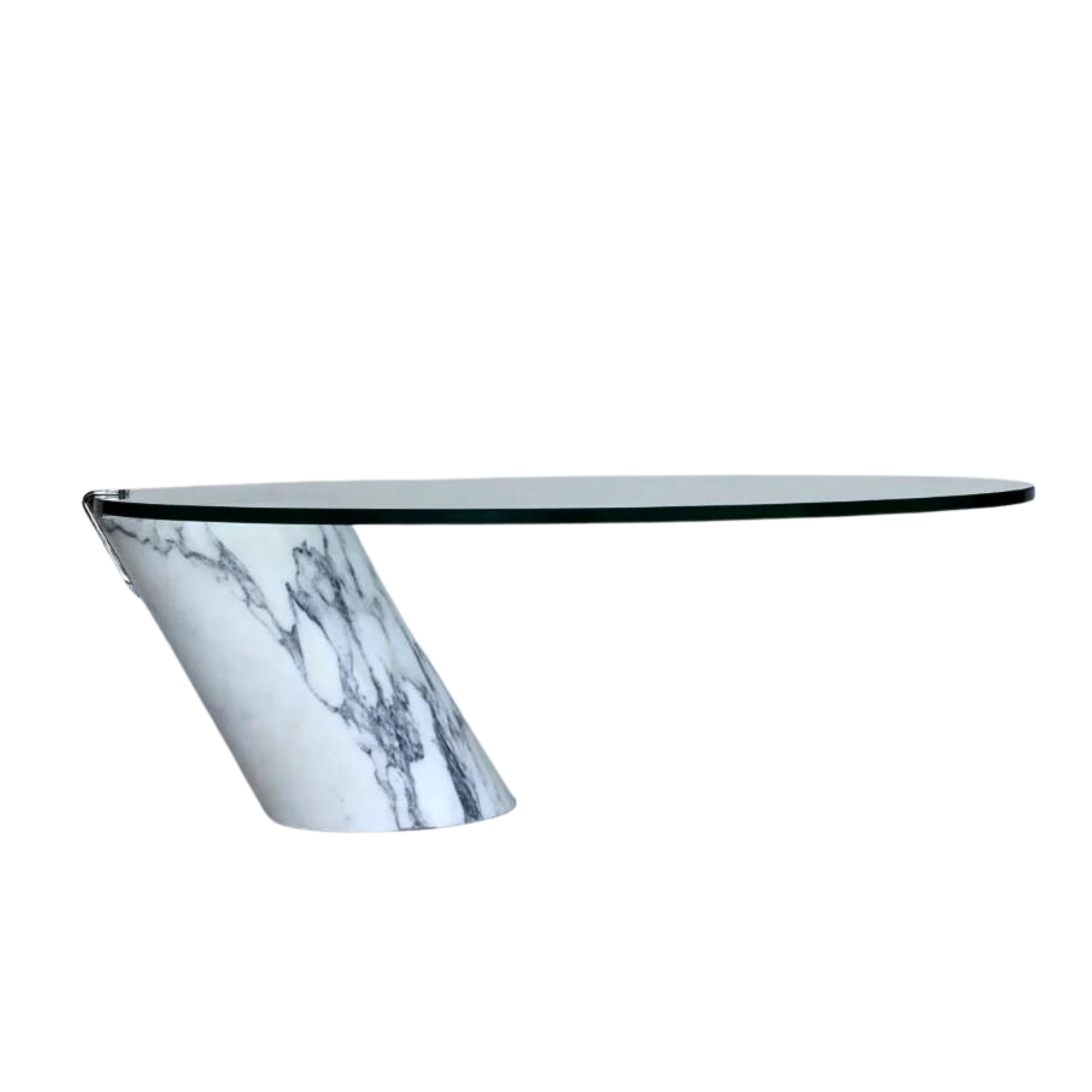
An Incredible gravity-defying coffee table designed by Ronald Schmitt produced by Team Form for in the 1970s. This is Ronald Schmitt's most iconic design. The base of this table is made from solid Carrera marble and is extremely heavy. The table was made in Switzerland and designed in Germany, rare to see in the United States.
The thick oval glass top lays loose on the marble base only held in to place by a chromed metal clip. The oval plate glass is 19mm.
The marble veins are soft waves of vanilla white, creamy beige, and light grey This piece has such a dramatic profile and is sure to be a show stopper in any home.
Dimensions: 51"L x 16.5"H x 39"W
Condition: Tiny pin-chip in the glass (pictured). Some light scratching on the glass top. Overall the glass is in very good condition and presents well.
Introducing the newly upholstered and restored bracket-back three seater sofa by Edward Wormley for Dunbar. This design features mahogany legs that run from the base and up the back of the sofa giving it the appearance of floating.
This sofa as been reupholstered in a stunning new sage green 100% cotton solid fabric by Pindler that contrast beautifully with the warm bracketed wood. Amazingly comfortable and the perfect addition to any space. Will look amazing floating in a room. The back is
Condition: Structure has been restored to excellent condition. No signs of wear.
Dimensions: 28”H x 92”L x 30”D
Seat height: 18.5”
Seat depth: 19.5”
Ships from San Diego, California
An iconic design by Arne Vodder 'Triennale' dresser was produced by Sibast Mobler, circa 1950. Constructed in teak, the long eight drawer dresser is a classic piece of danish modern furniture. The drawer faces are both architectural and functional with ellipse shaped finger reveals with royal blue accents. The cabinet is set on solid teak tapered legs. The drawer boxes have dovetail joinery and are made of solid mahogany. The top left drawer has functional drawer dividing and a removable storage tray which is perfect for storage of watches and other jewelry. The piece is signed with both a Sibast and Danish Control logo on the inside top drawer. This is the largest Danish dresser that we know of and will provide plenty of storage for a couple in a primary bedroom. The drawers have incredible depth and width. This dresser has been completely restored by us and is in excellent condition. This is hands down the highest quality Danish dresser of the period. Circa 1950's.
Dimensions: 77.5 in W x 19.5 D x 32.25 H
About the Designer:
Arne Vodder is one of the most acclaimed Danish architects of the mid-20th century. He is known for his simplistic style that relies on organic forms, as well as his unparalleled use of high quality materials which made him one of the leading figures of Danish modernism.
In the 1940s, Vodder first studied under master carpenter Niels Vodder and later at the Royal Danish Academy of Arts, where he was taught and mentored by the legendary architect and designer Finn Juhl. Arne Vodder and Finn Juhl became close friends. In the 1950s and 1960s, Vodder collaborated extensively with Sibast Furniture and designed many pieces of furniture for the manufacturer that enjoyed wide international success. Furniture designed by Vodder and made by Sibast Furniture even went to the White House, the Vatican, and the UN headquarters in Geneva, among other prominent locations.
Before concentrating on furniture alone, in 1951 he opened his own studio with the architect Anton Borg. Together they designed some 1,100 low-cost houses which proved to be a great success. In the 1950s and 1960s, at a time when Denmark was receiving international recognition for its furniture, he designed a wide range of items. His works are simple and modest, crafted in natural materials such as rosewood and teak and, in particular, are free of sharp edges.
One of his more notable pieces are his model 29 and 29A rosewood/teak sideboards with asymmetric design and curved drawers shaped to avoid the need for handles. The timeless design of the pieces combines exotic wood with colored door panels.
Another classic is his chaise lounger in teak and beech covered in leather and produced by Bovirke. Other pieces include tables, desks, sofas and hall furniture, inspired by nature with soft, organic, elegantly curved lines.
From the 1950s, Vodder worked with the furniture company Sibast on several sets of office furniture which did particularly well on the American market, even arousing the interest of Jimmy Carter. In the 1960s, the furniture not only reached the White House but could be seen in banks, airline offices, embassies and hotels across the globe. Vodder also arranged international exhibitions in Sweden, England, Austria and the United States together with Verner Panton and Nanna Ditzel.
Ships from San Diego, California
Hans-Agne Jakobsson was a Swedish interior and furniture designer, who ran his own company from 1951. Jakobsson was especially famous for his lighting designs, which often had a softly glowing light and organic shape. His designs were inspired by great, modern Scandinavian designers such as the Finnish icon Alvar Aalto and Danish lighting master Poul Henningsen.
Materials and Techniques: Glass, Teak
Place of Origin: Sweden
Period: 1950-1959
Date of Manufacture: circa 1950
Condition: Excellent
Ships from San Diego, California
*This piece is currently in restoration. Restoration is included in the price.
This incredible teak and maple credenza is designed by Finn Juhl and will soon be fully restored. This is an incredible example of his work. The teak case is topped with a raised back-rail, four stacked drawers with black enamel brass pulls raised on tapered legs. The right side offers open cabinet space with adjustable shelves and drawers. There is a metal Baker label in the inner drawer as well as the top drawer. Let us show you this in person or on a video call. We are in awe of its perfect understated elegance and how beautiful the pulls feel.
Condition: Not yet restored. We will be restoring this piece and bringing it back to its original condition. Restoration is included in the price.
Dimensions: 33.25”H x 18”D x 72.125”L
Materials and Techniques: Maple, Teak
Place of Origin: Denmark
Period: Mid-20th Century
Date of Manufacture: unknown
Ships from San Diego, California
A rare example of the stunning, sculptural settee by Danish design pioneer Finn Juhl. The NV-53 is named after its cabinetmaker, Niels Vodder, and the year of its design, 1953. Its biomorphic shape—influenced by the Surrealists—and unique, floating design give the love seat an ethereal otherworldly character, belying its sturdy and masterful construction. This settee has been reupholstered in Sandra Jordan's Prima Alpaca - French Vanilla Boucle. This is an original piece from 1953 and manufactured in Niels Vodder workshop manufactured during Finn Juhl's lifetime. The piece retains its original burn mark. We acquired this settee from the original owner who received it as a wedding present in the 1950's.
Over the years, the 53 Settee has continued to captivate design enthusiasts with its enduring appeal. Its elegant design has proven to be versatile and adaptable, effortlessly complementing a wide range of interior styles. This adaptability has allowed the chair to transcend passing trends, cementing its status as a classic.
Settee Dimensions: 50 "L x 24 D x 28.5 H
Seat Height: 14"
Ships from San Diego, California
A rare example of the stunning, sculptural settee by Danish design pioneer Finn Juhl. The NV-53 is named after its cabinetmaker, Niels Vodder, and the year of its design, 1953. Its biomorphic shape—influenced by the Surrealists—and unique, floating design give the love seat an ethereal otherworldly character, belying its sturdy and masterful construction. This settee has been reupholstered in Sandra Jordan's Prima Alpaca - French Vanilla Boucle. This is an original piece from 1953 and manufactured in Niels Vodder workshop manufactured during Finn Juhl's lifetime. The piece retains its original burn mark. We acquired this settee from the original owner who received it as a wedding present in the 1950's.
Over the years, the 53 Settee has continued to captivate design enthusiasts with its enduring appeal. Its elegant design has proven to be versatile and adaptable, effortlessly complementing a wide range of interior styles. This adaptability has allowed the chair to transcend passing trends, cementing its status as a classic.
Settee Dimensions: 50 "L x 24 D x 28.5 H
Seat Height: 14"
Ships from San Diego, California
A rare example of the stunning, chair by Danish design pioneer Finn Juhl. The NV-53 is named after its cabinetmaker, Niels Vodder, and the year of its design, 1953. Its biomorphic shape—influenced by the Surrealists—and unique, floating design give the chair an ethereal otherworldly character, belying its sturdy and masterful construction. The chair has been reupholstered in Sandra Jordan's Prima Alpaca - French Vanilla Boucle. This is an original piece from 1950's and manufactured in Niels Vodder workshop during Finn Juhl's lifetime. The piece retains its original burn mark. We acquired the chair from the original owner who received it as a wedding present in the 1950's.
Over the years, the 53 Chair has continued to captivate design enthusiasts with its enduring appeal. Its elegant design has proven to be versatile and adaptable, effortlessly complementing a wide range of interior styles. This adaptability has allowed the chair to transcend passing trends, cementing its status as a classic.
Dimensions: 28 in H x 28 in W x 30 in D
About the Designer:
One of the pivotal figures of Danish design in the 1940s, Finn Juhl introduced Danish Modern to the world, specifically the United States. As an architect and interior and industrial designer, Juhl was best known for his furniture designs that uprooted traditional historicist styles embellished with ornament and plush prevalent in the late 1930s, instead creating modern furniture along the lines of the International Style. Juhl’s Pelican Chair exemplifies the designer’s incorporation of form with function. The chairs, sumptuously sculptural and organic in form, were inspired by Juhl’s philosophy that “a chair is not just a product of decorative art in a space; it is a form and a space in itself.”
Ships from East Hollywood, California
Table lamp by Carlo Nason for Mazzega c.1970s, Italy, is sure to light up any room in your home. The lamp features four glass pieces inset to one another forming a lotus shape. The Model LT305 blown Murano glass lamp is set on a round bronzed base.
Dimensions: 18" diameter x 17 " height; 6.25" base diameter
Condition: Excellent original condition; original wiring. Professionally cleaned.


It’s no surprise that celebrities have the ability to acquire some of the most rare and incredible pieces of design. We are thrilled to see faces we look up to, enjoying vintage design as much as we do.